
«We don't need more design; we need better design.»
Thanks to her experience in Europe and China, Eva de Laat offers a unique perspective on textile innovation. As founder of both Studio Eva and Materialliance, the Dutch expert develops human-centric knits that prioritise circularity, durability and comfort, creating scalable solutions for brands and manufacturers.
CLIMATEX: Eva, you have been running your own company, Studio Eva, for many years and lived in China for a long time before returning to Amsterdam in 2019. Can you tell us what you are currently working on and what role you play in the highly fragmented textile industry?
Eva de Laat: Eva de Laat: I originally moved to China to gain a thorough understanding of production processes. I wanted to work closely next to the machinery and trully understand how design links with production. Today, I still travel between the Netherlands and China, as working in a factory environment requires it.
While I was there, I worked for fast-fashion companies, and this experience made me realise just how polluting the system is. About ten years ago, I founded Studio Eva and asked myself, how I can create textiles that challenge the status quo? This led me to rethink our work, development methods and technologies, with a particular focus on knitting and, in particular, seamless and circular knitting.
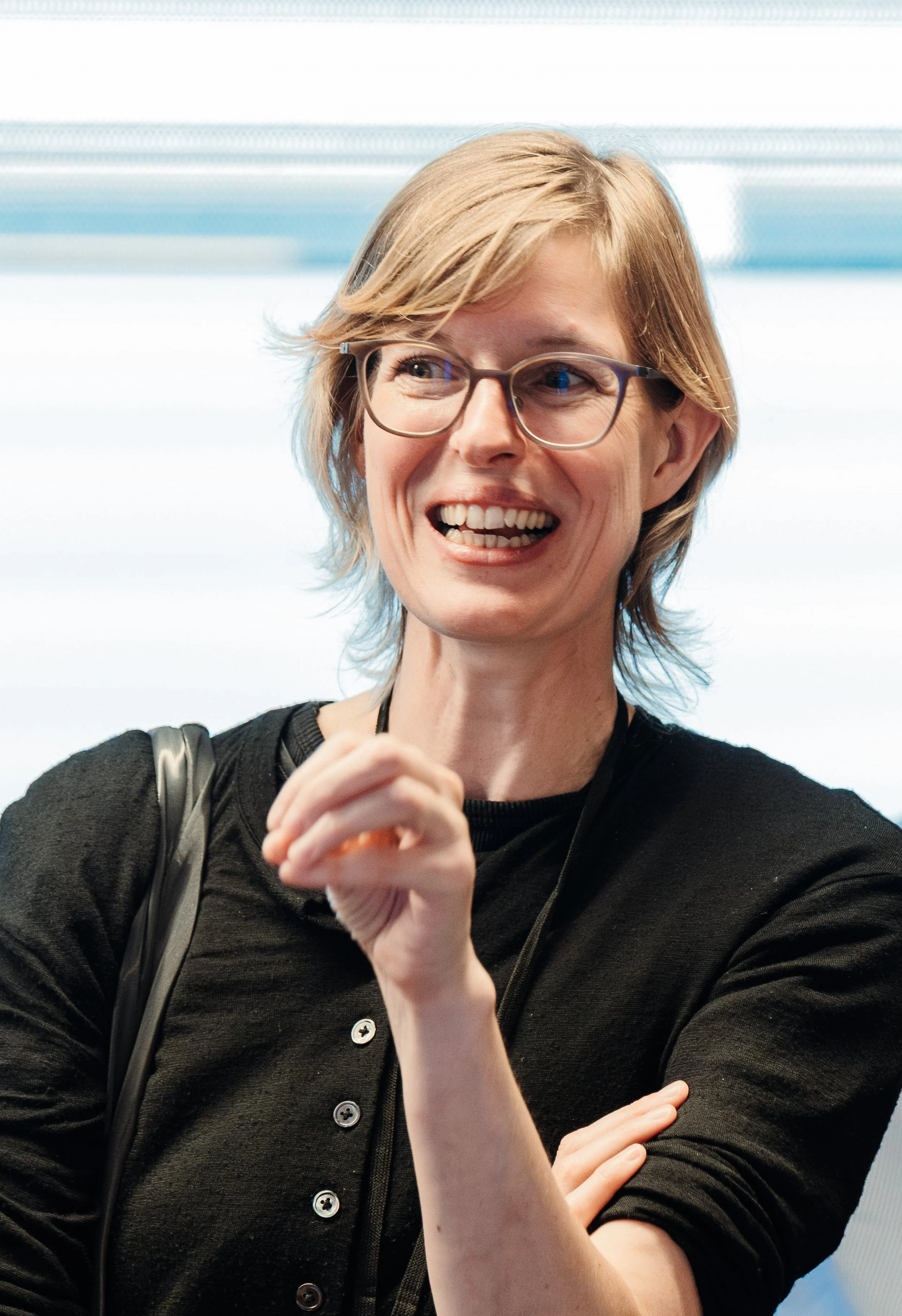
"The CLIMATEX knitting technology is particularly exciting because it offers designers virtually unlimited opportunities for innovation while also enabling recycling and reuse. This combination of creative freedom, functionality, and recyclability is unique."
Eva de Laat
Founder of Studio Eva & Materialliance
Please tell us more about Studio Eva, its focus and its projects.
The studio specialises in human-centric knit designs that are built to last. The world does not need more design; it needs better design. We rethink, innovate and redevelop knitted textiles, focusing primarily on seamless and circular knits, which allows us to design almost stitch by stitch. We create products that offer greater value and longevity, providing better end-to-end solutions. Our clients include global sports brands, as well as an increasing number of companies in the automotive, interior design, health and wellness sectors. We help them rethink their materials and strategies.
As small and medium-sized companies often lack funding, expertise or access to technology, I also founded Materialliance. This knowledge platform provides yarn, stitch, and machine data to help these brands innovate on a large scale, reduce costs, and collaborate on solutions. It enables the industry as a whole to move towards sustainability.
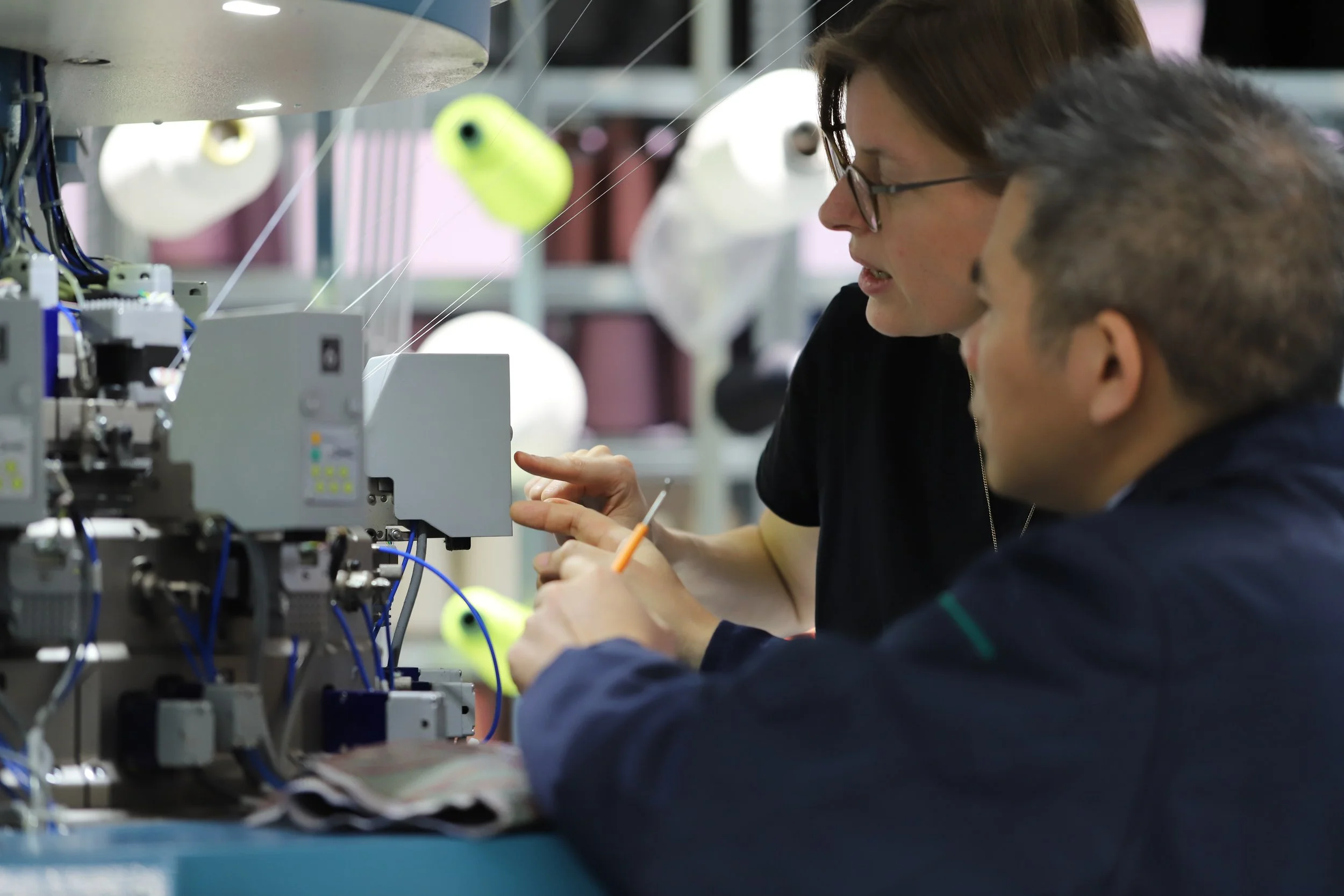
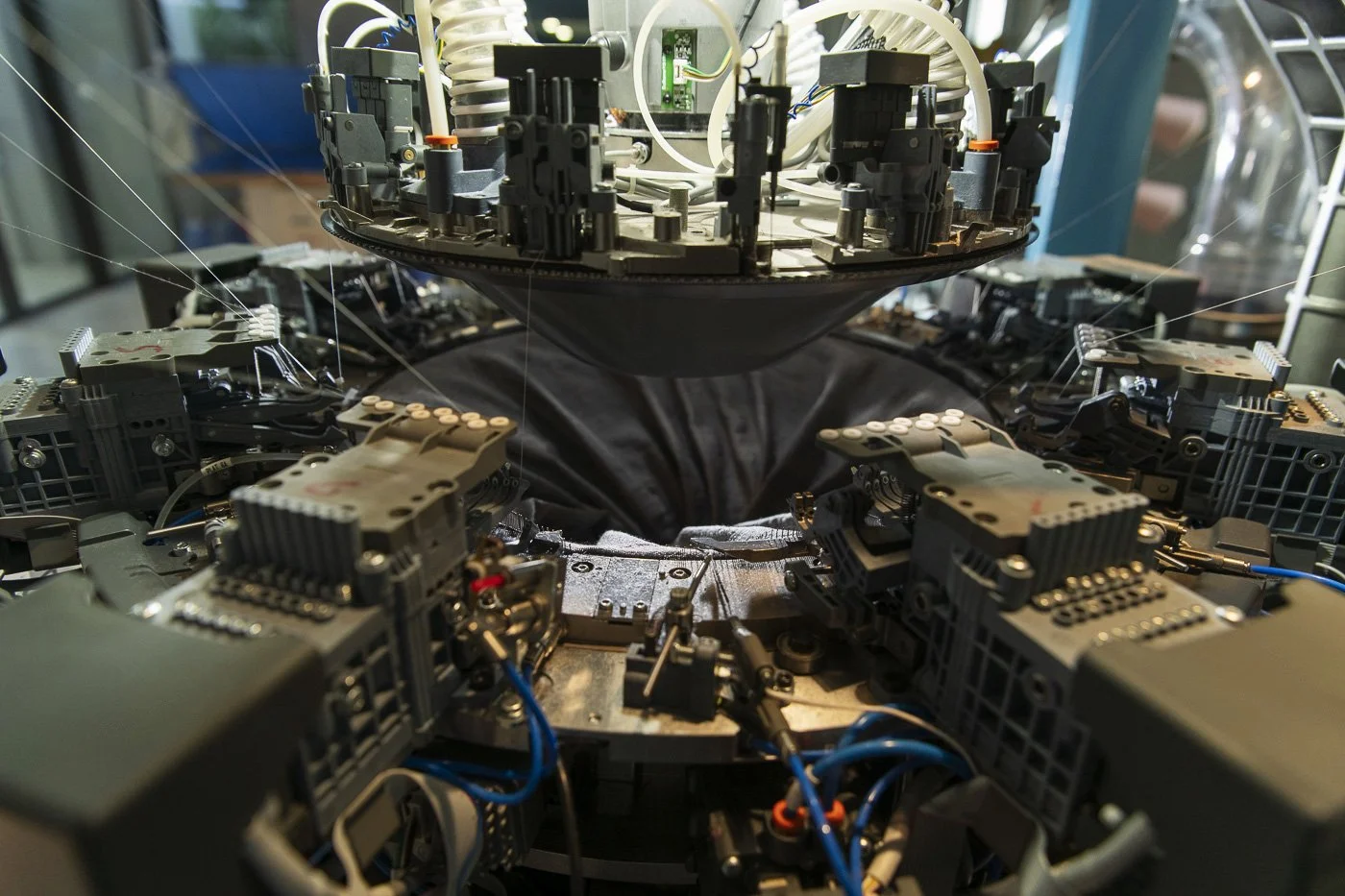
Essential for Eva de Laat's textile innovation: development directly on the machine.
To Europeans, China often seems to be all about ultra-fast fashion. Yet many sustainable solutions also originate there. What is your perspective?
China is and will remain very important. People are open to new solutions, from yarn development to end-to-end production thinking. However, maintaining strong connections between Europe and Asia is crucial. While my long-term dream is to expand into Europe, I have recently opened a second studio in China, in a region where many Shein operations are based. This enables me to observe the situation first-hand, and it is complex and conflicting. The huge amounts of very cheap products based on the principle of fast fashion being created there are damaging. This harms both the environment and people. Plastic materials are becoming the norm instead of natural yarns.
However, a combination of synthetic and natural fibres is often necessary for functionality, such as performance, protection and durability. You cannot rely solely on natural yarns. In our studio, we have experimented with mono-material and fully natural products. In theory, these might be better, but not necessarily for the wearer or the product's entire life cycle. This is both the beauty and the challenge of material development. There is still a huge lack of knowledge in the industry about all the consequences.
“Recently, companies such as Shein & Co. have transformed a 20-year-old ecosystem into a system that relies on data, agility, and ‘only producing what is needed.’ Europe and its traditional production mechanisms could learn from this.”
What do you consider to be the most significant knowledge gaps?
That’s a good question, and it's also the reason why I set up the Materialliance platform alongside my studio. The biggest gap is at the beginning of the supply chain, where around 80% of the environmental impact is determined. Communication and language are major issues here, as what designers and brands request often differs from what manufacturers understand. There is also a gap between designers and technical experts.
Data is another problem. It exists, but it is fragmented and not easily accessible. Designers are creative, but they often don’t fully understand how their choices translate into production, so education is important, too.
The current system favours brands, even though manufacturers possess the real expertise, creating an imbalance. The challenge lies in making this knowledge accessible while allowing space for creativity.
Recently, Shein & Co. transformed a 20-year-old ecosystem into one that focuses on data, agility and producing only what is needed. Europe and its traditional systems could learn from this. However, the system is complex, and understanding the full picture is challenging.
Brands and manufacturers often operate in very different spheres. Do you think this contributes to the problem?
Absolutely. I’m still surprised at how poorly matched these systems are. Both big and small brands struggle to find the right suppliers, and even when they do, the processes involved are not agile enough. Companies want loyalty and long-term partnerships, which is understandable, but this makes the system inflexible. This explains the constant shifts in production, from China to Southeast Asia and back to Europe. There isn’t a reliable system in place. We need a combination of European and Asian skills. At the moment, it's an either/or situation, which is disruptive.
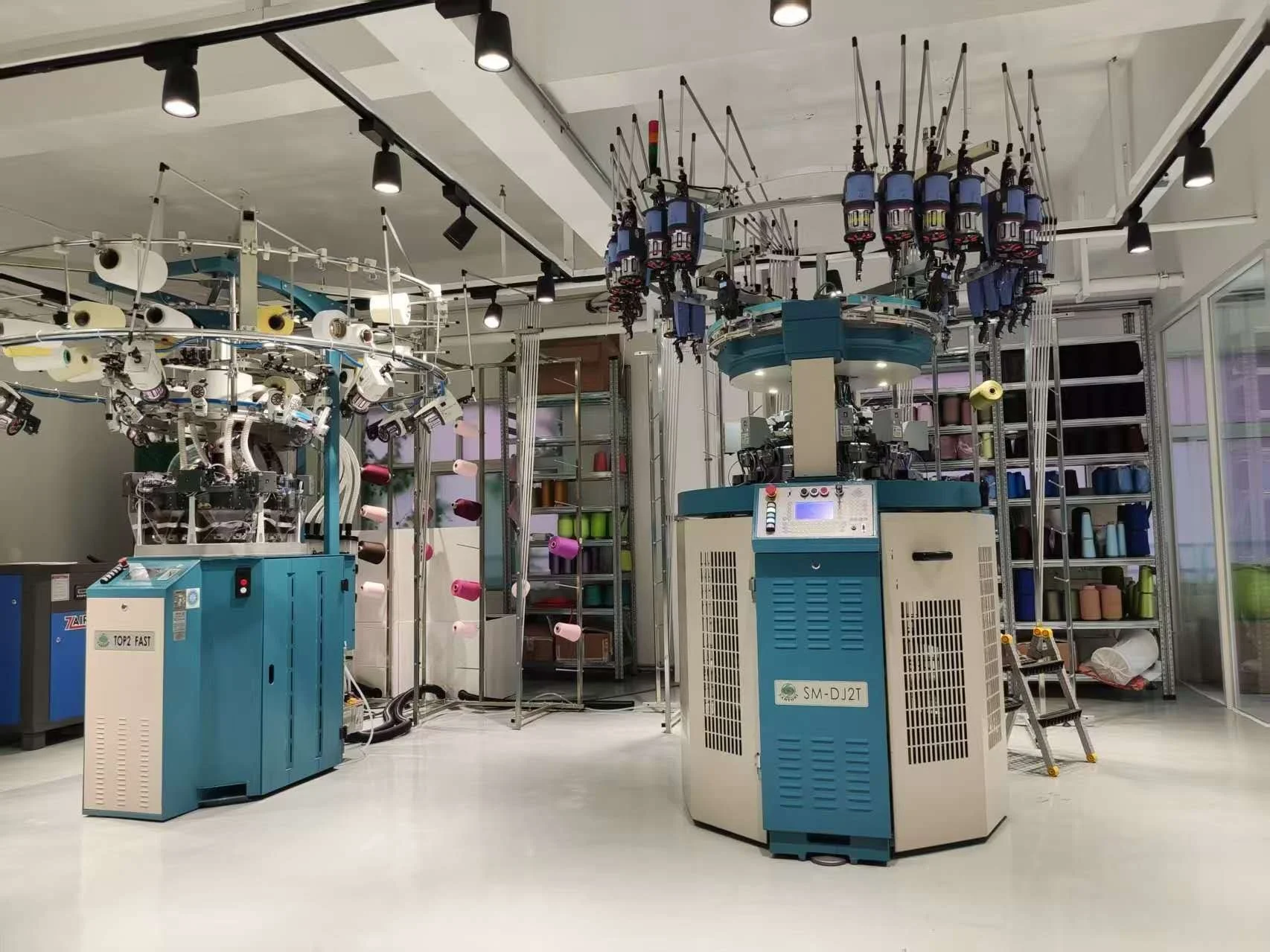
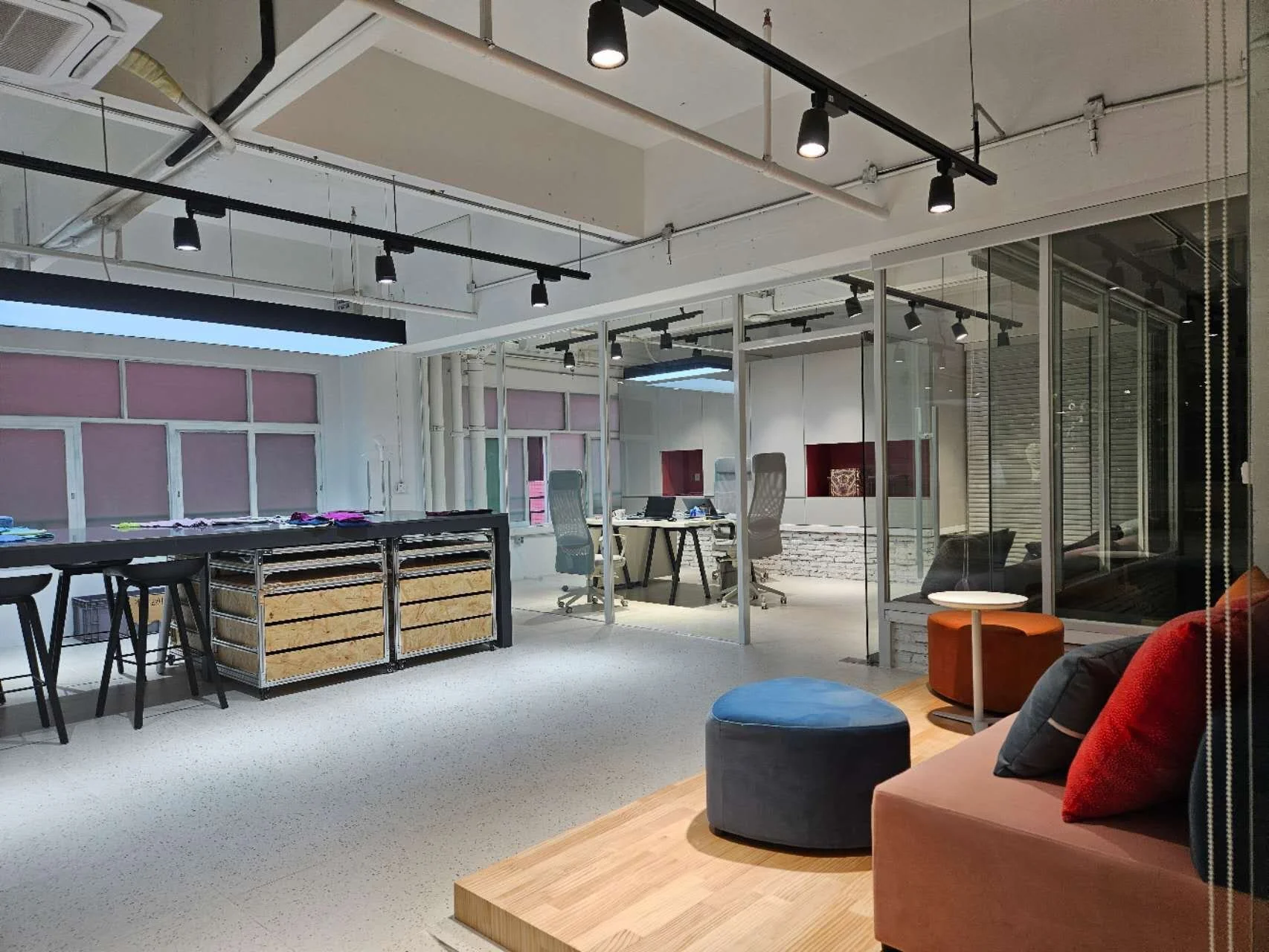
This is where tomorrow's knitwear is created. From the customer reception area to the office space and the professional circular knitting machines, welcome to Studio Eva.
Where does the industry stand today on circularity, and what are the main challenges it faces?
Unfortunately, progress remains limited. Political and economic pressures have shifted the focus back to price, lead times and unsustainable fibres. Although circularity is discussed, it hasn’t yet become part of everyday decision-making. Circularity requires a fundamental shift in mindset and a different way of organising the supply chain. It starts with what we put into the system in the first place: how we source, make, and design materials with circularity, second use, and repurposing already considered from the outset. This is one of the core reasons why we started Materialliance: to address these friction points, rethink the supply chain as a connected ecosystem, and build solutions bottom-up. By doing so, we aim to strengthen the industry collectively and develop purposeful, meaningful material systems that respond to its most urgent challenges.
Has the focus on circularity been postponed in favour of other, seemingly more urgent topics? Will EU regulations such as the Green Deal or ERP have an impact?
Yes, to some extent. The regulations do raise awareness, but even within the industry, most people only understand parts of them. They are complex and are often implemented gradually, through projects rather than a full understanding. In Europe, the regulations provide guidance, whereas in China, commercial incentives tend to dominate the decision-making process.
How do you integrate circular economy into your design processes?
Design is key. Every decision is made with the user, the environment and the system in mind. First, we gain an understanding of the brand and its clients through interviews, research and sensory insights. This helps to ensure alignment and a shared vocabulary among stakeholders, avoiding misaligned expectations. We use two approaches. The first is data-driven design, in which we create stitch libraries comprising validated yarns, machine settings and stitch types. The second approach is direct construction, where we sometimes design the product first and validate it through wear testing and laboratory analysis.
Design isn't just about aesthetics; it's also about comfort, functionality, and sustainability. Yarn sourcing is also crucial. Initially, we focused on mono-materials or recycled fibres, but we realised that these aren't necessarily the best option for the wearer or for what happens to the product at the end of its life. Our goal is to maximise value for the user while considering the product's environmental impact at the end of its life.
What needs to change for circularity to become the industry standard?
The pain point isn’t clear enough. Neither consumers nor brands fully understand the benefits of take-back systems or reuse. Many initiatives are pursued only when there’s a commercial incentive. If commercial gain is the only driver, there won't be any real impact. Life-cycle management is important. Workwear is a promising sector because it has clear tracking systems. Sportswear brands are starting to adopt similar approaches, which could serve as blueprints for other sectors. Advocates of circularity are vital at all levels. Aligning strategy and operations is essential for real change.
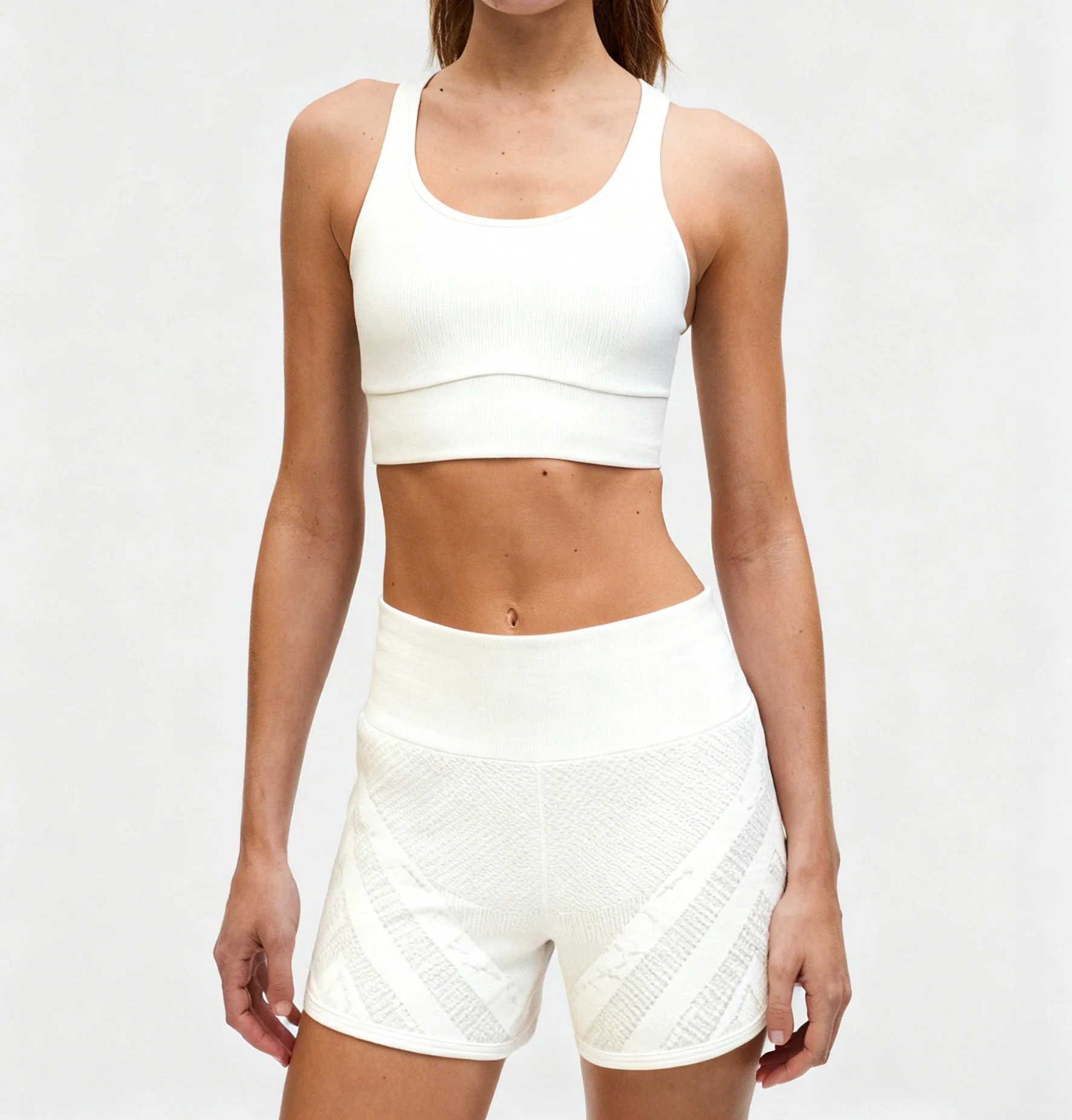
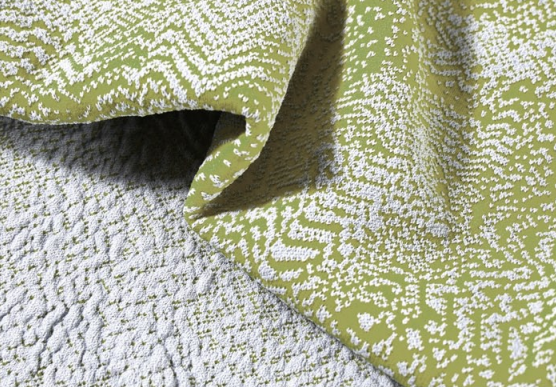
Like a second skin, stitch by stitch, meticulously thought out—knitting allows for a great deal of freedom in design.
“With knitting, you have control over the fibre, yarn and stitch levels, which is almost like working with a pixel grid. This enables you to create products from scratch that are comfortable and sustainable.”
What role can knitting technology play in the production of circular textiles?With knitting, you have control over the fibre, yarn and stitch levels, which is almost like working with a pixel grid. This enables you to create products from scratch that are comfortable and sustainable. Compared to woven or non-woven fabrics, knitting offers greater freedom. It feels like a second skin and can improve functionality, comfort and environmental performance. The CLIMATEX knitting technology is exciting because it enables designers to innovate without limits while ensuring recyclability and reuse. This combination of creative freedom, functionality, and circular potential is unique. Sectors with potential include workwear, sportswear, interior textiles, and automotive applications.
Finally, what are your hopes for the future of the industry?I hope to see more meaningful and purposeful materials. Textiles are important not only for their functionality, but also for the sensory experience they offer. I hope we will see materials that are intelligently designed with both the user and the ecosystem in mind. As I said initially, we don't need more design, we need better design.