
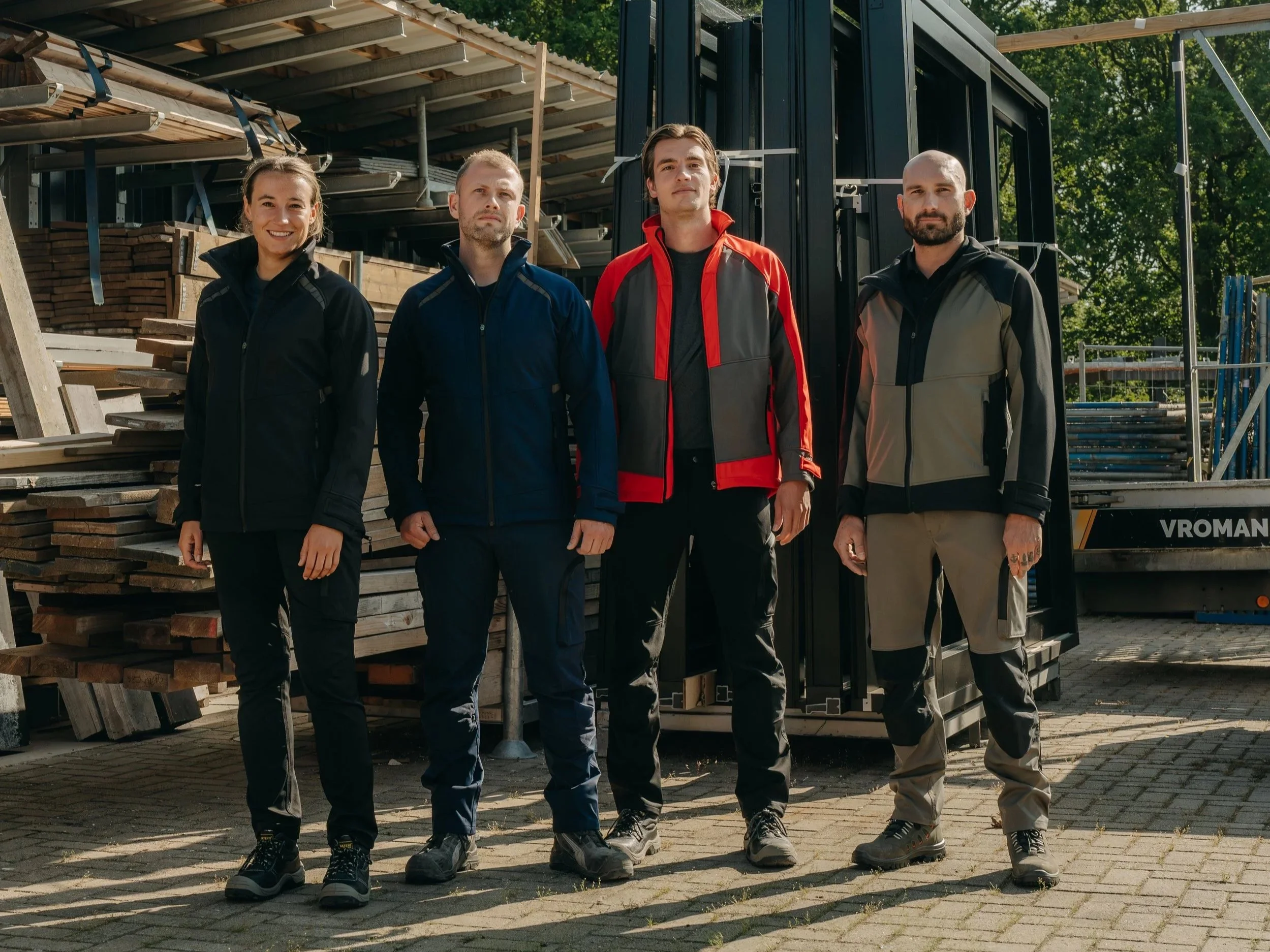
A workwear seam has a demanding job. It needs to hold through movement, demanding work and repeated washing. When the garment reaches the end of its working life, that same seam can stand in the way of separating its components and preparing them for potential recycling.
By integrating a dissolvable sewing thread in selected items in its Revolve 2.0 Workwear collection, Dutch workwear manufacturer HAVEP has built a different ending into these garments. A very small component, the STITCHLOCK™ thread enables controlled disassembly along the seams – allowing garments to be taken apart into their original components at end of life. With Revolve 2.0, STITCHLOCK™ has been integrated into a commercially available clothing collection for the first time.
For CLIMATEX, it is a defining moment: our Dissolvable Thread Technology, based on the principle of Design for Disassembly, is now part of workwear that customers can buy, wear and put to work.
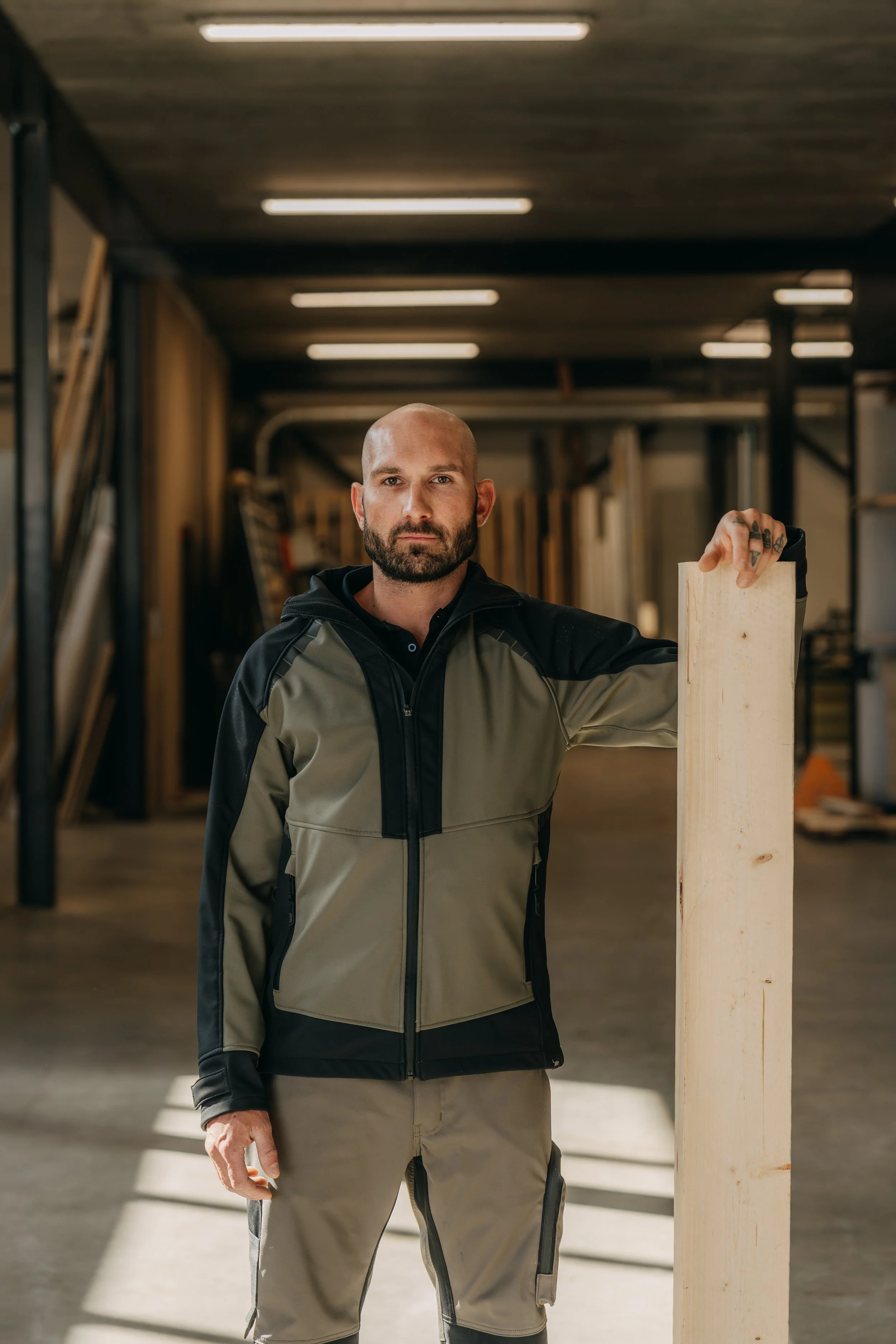
Decisions before the first stitch
By the time a garment reaches its end of life, many of its possibilities have already been determined. The materials selected, the components added and the way they are put together all shape what can happen during disassembly, collection, sorting and recycling.
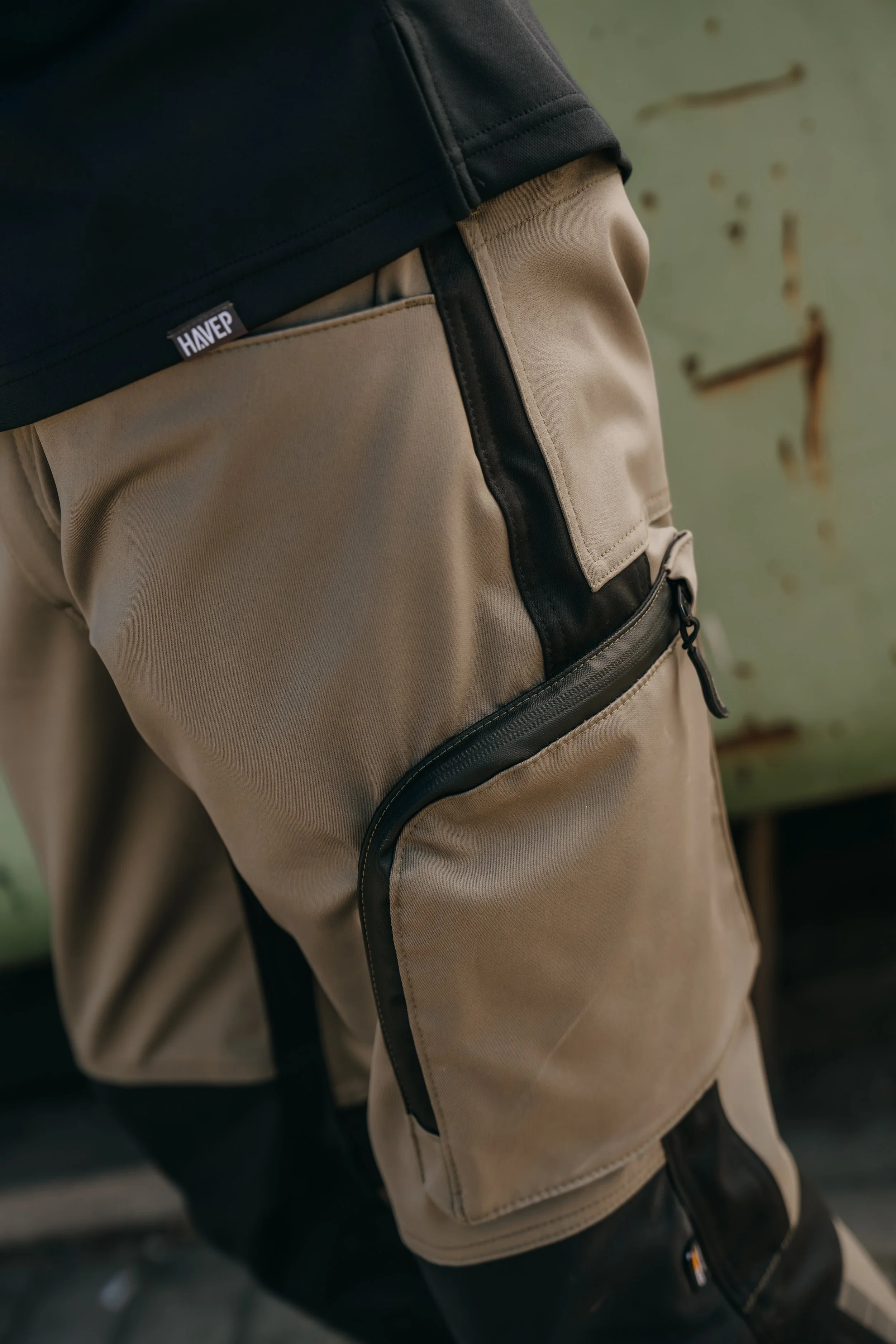
Workwear makes this particularly tangible. Pockets, reflective elements, reinforcements, zippers and different textile components serve practical purposes. Bringing them together creates a functional garment. Separating them later presents another challenge.
HAVEP has addressed that challenge at the construction stage. By using STITCHLOCK™ in selected Revolve 2.0 items, the company has incorporated a way to release sewn connections at end of life. The garment’s eventual disassembly becomes a design decision made before it is worn.
First, it has a job to do
For the people wearing Revolve garments, the immediate priorities are clear: they need reliable clothing that works with them and stands up to everyday use. Designing for disassembly must accommodate that working life, including regular industrial cleaning. HAVEP confirms that the application of the dissolvable thread does not affect the garments’ washability, quality or lifespan. Items can be industrially laundered according to their individual care instructions. At end of life, a controlled process in a standard dyeing vessel uses heat, water and pressure to dissolve the thread and release the sewn connections.

Opening the garment is part of closing the loop
Recycling depends on access to materials that can be processed in suitable recycling streams. When components remain permanently attached, separating them can be difficult and require labour-intensive and costly manual cutting. STITCHLOCK™ addresses a specific obstacle between a finished garment and the recovery of its materials by enabling controlled disassembly along the seams – providing a missing step between products designed to last and materials ready for recycling.
With Revolve 2.0, STITCHLOCK™ becomes part of a commercially available clothing collection for the first time — bringing the role of textile construction in enabling disassembly into the spotlight. That gives the milestone its significance. HAVEP has incorporated the technology into selected products and made Design for Disassembly visible in its collection.
For CLIMATEX, this is what bringing Dissolvable Thread Technologies into industry looks like: working with partners to build disassembly into the products they make – using their existing machinery. Because circularity starts at thread level.