
Circular Talk with Tércio Pinto, Board Member at Impetus Group.
“The Missing Link in Textile Circularity? Collaboration.”
Recycling is often presented as the key to textile circularity. But according to Impetus’ Tércio Pinto, the industry's biggest challenge lies elsewhere – in alignment across the supply chain. In this conversation, the Portuguese thought leader dives deep into why the future of circularity depends less on individual innovations and more on collaboration across the entire value chain.
As Board Member at Impetus Group, a Portuguese textile manufacturer producing underwear, sleepwear, loungewear and technical performance products, and at textile recycling venture Refibertech, Tércio Pinto operates at the intersection of textile manufacturing, finishing and recycling. Over the past years, he has worked on a wide range of circularity initiatives, from mechanically recycled fibres and traceable material streams to resource-efficient dyeing technologies.
CLIMATEX: Recycling is often presented as the biggest challenge in textile circularity. Do you agree?
Tércio Pinto: I don't believe the main problem is the often claimed lack of recycling feedstock. There is plenty of textile waste available. The real challenge is understanding, sorting and preparing that feedstock correctly. If materials are not properly separated, recyclers struggle to produce high-quality fibres. The problem becomes even more complex when products contain multiple materials, prints or finishes. That is why the industry needs stronger connections between collectors, sorters, recyclers, manufacturers and brands. Too often, these stakeholders operate independently from one another.
You've argued that no single player can build a circular textile industry alone. With Refibertech bringing together partners from different parts of the value chain and TexLoop, a platform creating traceability for mechanically recycled fibres, are you already putting that philosophy into practice?
I believe one of the biggest challenges facing the textile industry today is the lack of connection between different players in the value chain. Collectors, sorters, recyclers, manufacturers and brands all have a role to play, but they often work too independently from one another. Quality recycling starts long before a product reaches a recycler. It depends on how materials are collected, sorted and prepared. The better these processes are aligned, the better the resulting fibre quality. That is why collaboration is so important. Circularity only works when the entire value chain is engaged.

«The industry needs stronger connections between collectors, sorters, recyclers, manufacturers and brands. Too often, these stakeholders operate independently from one another.»
Tércio Pinto, Board Member Impetus
Which decisions have the biggest impact on whether a garment can be recycled at end-of-life?
The willingness to design products differently. Brands need to understand how new materials and technologies affect product construction. If you want a garment to be recyclable, it must be designed for disassembly from the start. This is where solutions such as CLIMATEX's dissolvable sewing thread STITCHLOCK become particularly interesting. They can simplify the disassembly process and reduce the manual labour required at end-of-life. Without a conscious design strategy, implementing circular solutions becomes much more difficult.
What are the biggest obstacles implementing circular solutions in manufacturing?
The main challenge is that manufacturers already operate within established systems. They have production timelines, quality requirements and cost targets. If a new solution changes the manufacturing process, increases production time or affects product performance, adoption becomes difficult.
Every innovation comes with its own challenges. Recycled fibres behave differently from virgin fibres. New sewing technologies need to fit existing production systems. Circular solutions must integrate into industrial reality. Product design is another crucial factor. Circularity cannot simply be added at the end. It needs to be considered from the beginning.
“The main challenge is that manufacturers already operate within established systems. They have production timelines, quality requirements and cost targets. If a new solution changes the manufacturing process, increases production time or affects product performance, adoption becomes difficult.”
Would designers and product developers need a better understanding of what happens to products after use?
Absolutely. Ideally, they should understand what recyclers need and how products are processed after use. That knowledge would influence material choices, construction methods and product development. I am positive that this shift will happen, but it will take time. My estimate would be five to ten years before this way of thinking becomes mainstream.
Many companies argue that circularity is simply too expensive.
Change is always difficult. For large brands with complex global supply chains, the challenge is even bigger because they need to rethink systems that have been optimised over decades. Ultimately, the commitment has to come from leadership. Owners and boards need to set the direction. Once that happens, designers, buyers and suppliers can start implementing the necessary changes.

Circularity is often associated with materials and recycling. Yet many of your projects focus on production processes. Why?
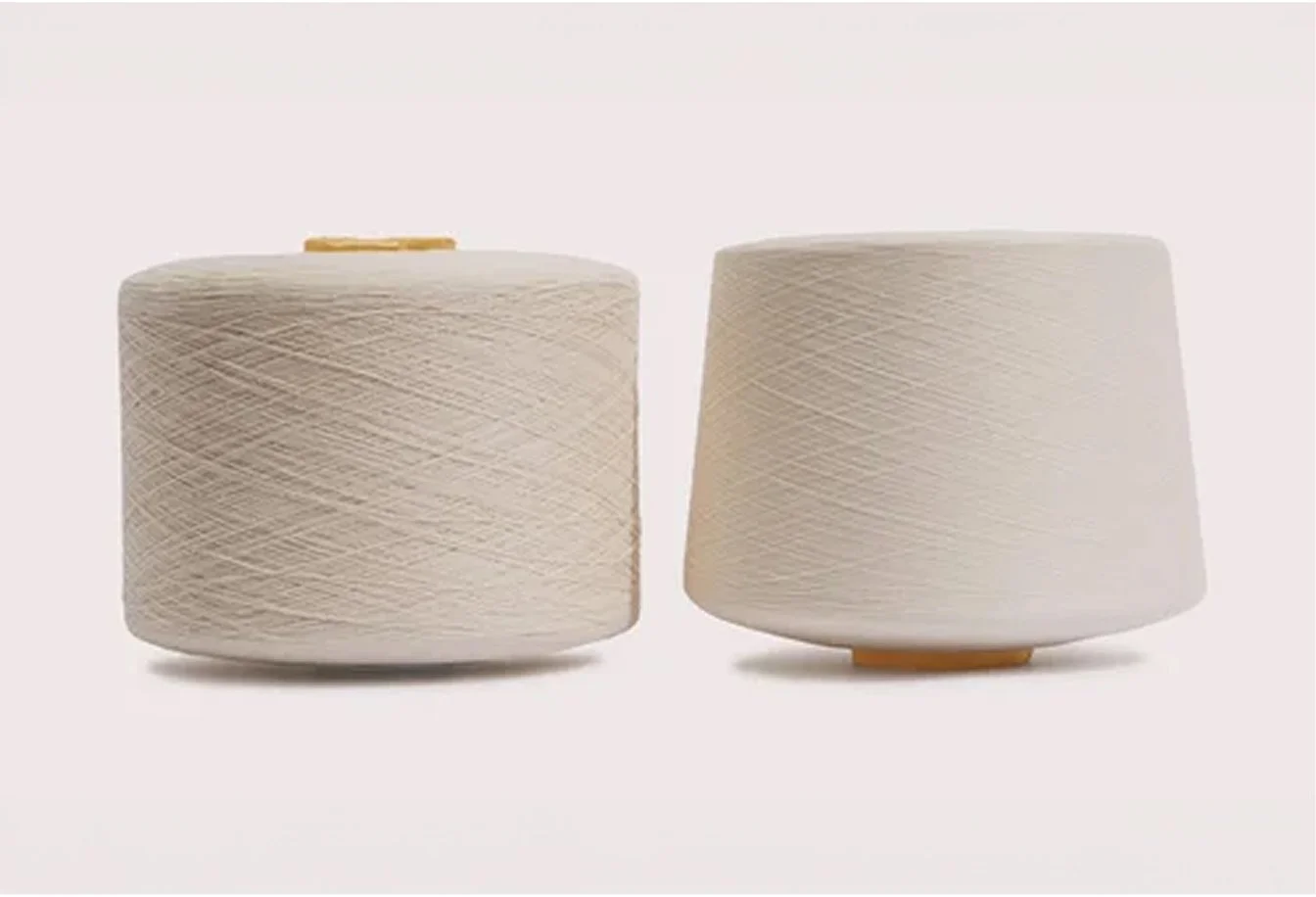
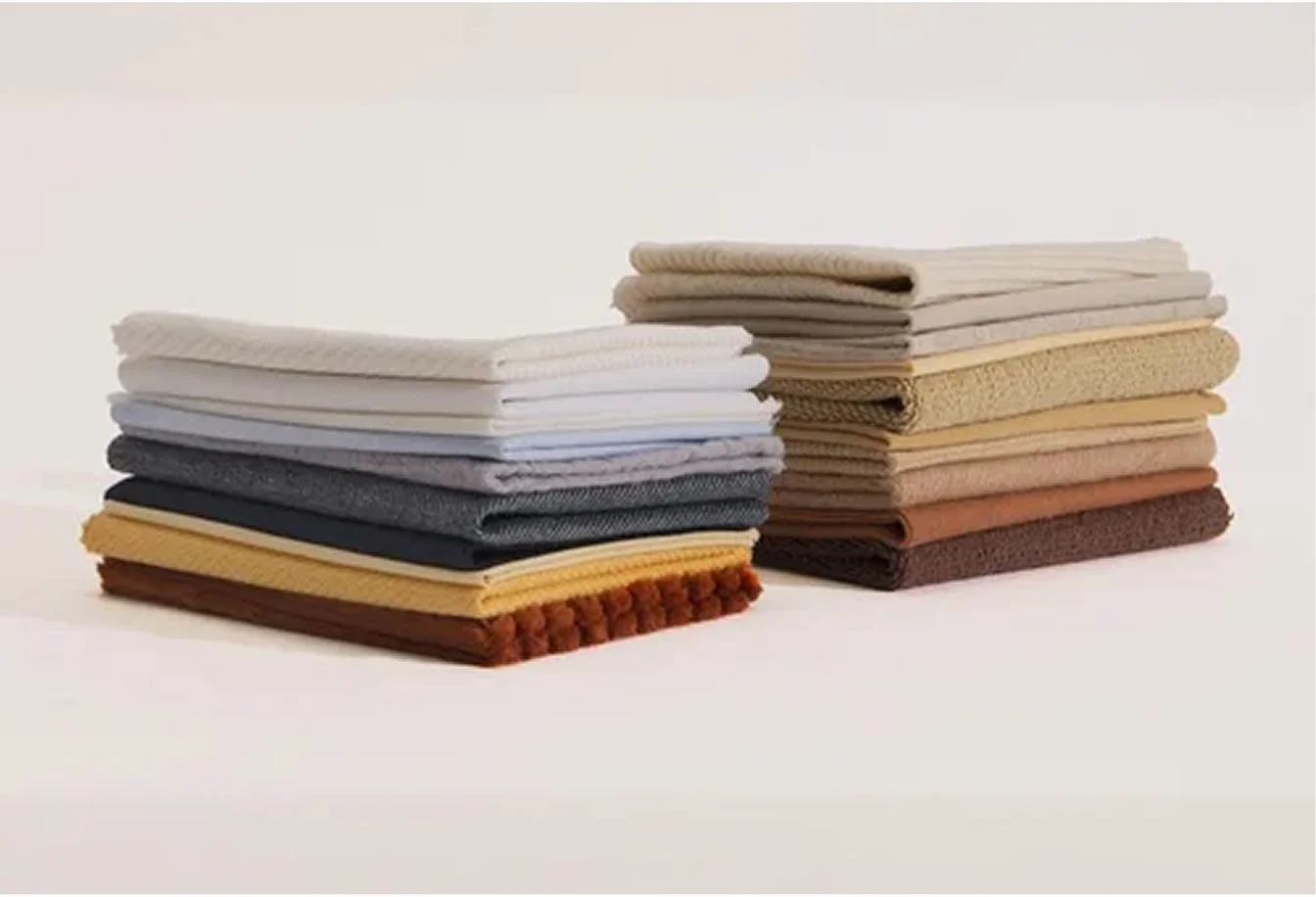
We approach circularity from different angles. For us, circularity is not only about recycling. It is also about using resources more efficiently throughout the value chain. At Impetus, we already commercialise products containing our own post-industrial production waste. In finishing, we are working with colourants that can be recovered and reused, while also exploring more efficient dyeing processes.
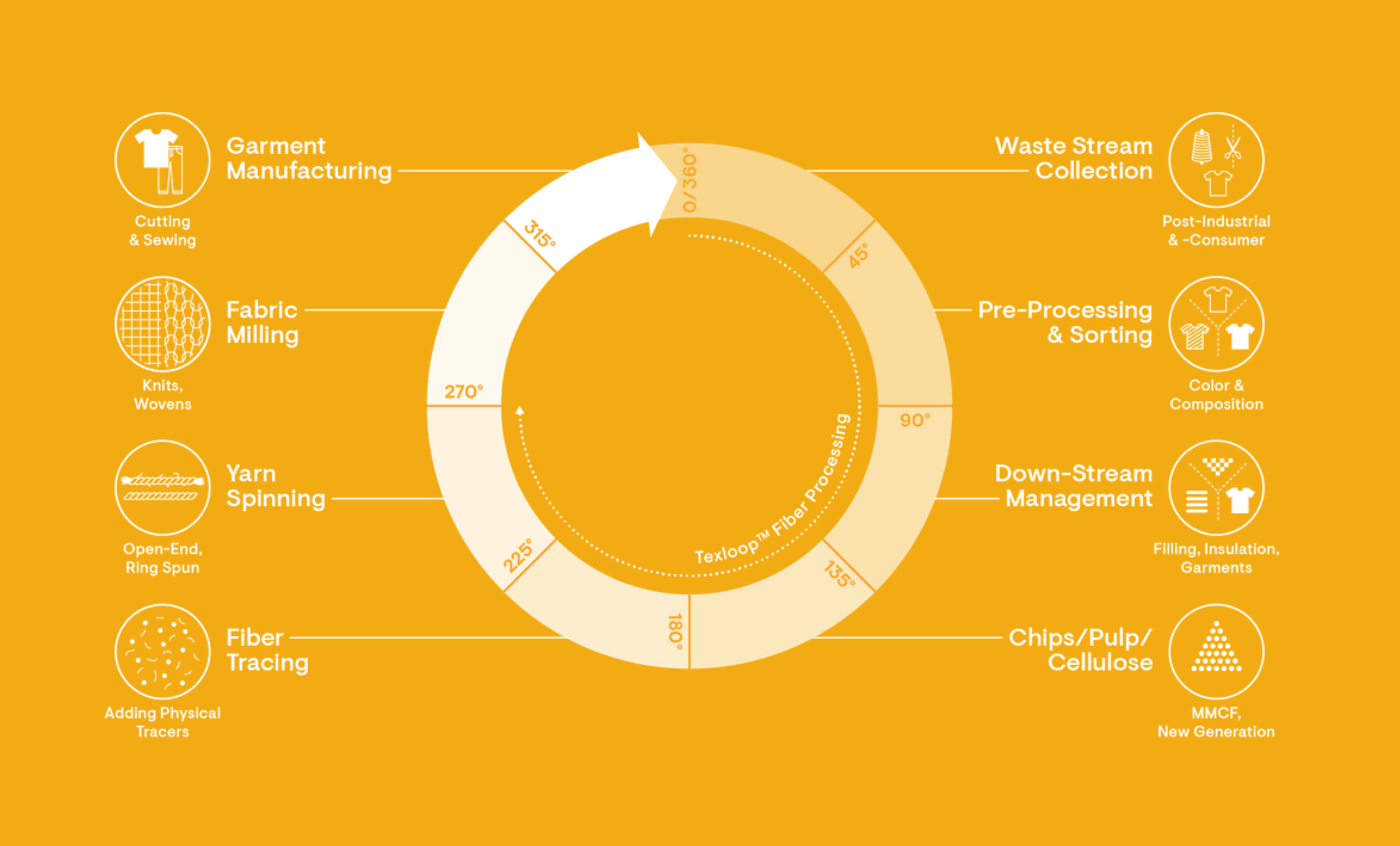
At Refibertech, we focus on transforming textile waste back into spinnable fibres. We work primarily with post-industrial waste today, while also processing some post-consumer streams. With TexLoop, customers can trace the material all the way back to the original feedstock and know exactly where it was processed.
In a recent interview, you mentioned that primary process data of Impetus revealed some surprising environmental hotspots. What did you discover?
When you conduct a life cycle assessment (LCA), you realise that materials are only part of the picture. Finishing and dyeing often have a much larger impact than people expect. Water consumption, energy sources, chemical inputs and re-dyeing processes all influence the final environmental footprint. The challenge is that these processes are often a black box for brands. They don't always know exactly how a fabric was dyed, how many corrections were required or which chemicals were used. That's why greater transparency and process-level data are so important. Once you understand where impacts occur, you can start reducing them.
How do you see upcoming regulations such as Digital Product Passports and Extended Producer Responsibility?
They are necessary. Without clear rules, most companies will not move fast enough. Regulations provide direction and create a level playing field. However, they must also be practical and enforceable. If regulations exist but are not applied consistently, they will not deliver the desired impact.
Which circular innovations are currently on your radar?
There are quite a few innovations that solve different challenges. One particularly exciting project is a dyeing technology developed by a UK partner. Early results indicate that it can reduce water consumption by around 90% and dye consumption by 75–80%. That's significant because finishing and dyeing are among the most impactful stages of textile production. If we want to reduce environmental impact, we need to look beyond materials alone and optimise the entire process.
What gives me confidence is that the solutions already exist. We have technologies. We have materials. We have increasing regulatory support. The next step is implementation. For me, the future of circularity depends less on inventing new solutions and more on bringing existing players together. If the industry can collaborate more openly and align around common goals, we can move much faster than many people think.
What is the most important lesson you've learned from working across manufacturing, finishing and recycling?
It is all about collaboration. The textile industry has traditionally been very fragmented. Companies often focus on their own piece of the puzzle. That approach no longer works. We need manufacturers, technology providers, recyclers and brands to align their messaging, share knowledge and develop solutions together.
And we need to stop talking only about the future. The technologies exist today. The challenge now is implementing them at scale and bringing them successfully to market. Companies survive by selling. Great ideas alone are not enough. The future is already here — now we need to make it work.