
“I knew it worked, after I boiled the trousers into their parts in a pressure cooker.”
Kees Timmermans has spent 30 years at HAVEP, the family-owned Dutch workwear manufacturer – since 2022 as its textile innovator. He is the driving force behind the integration of STITCHLOCK™ into HAVEP’s Revolve 2.0 collection, the first commercial use of our dissolvable sewing thread. In this Circular Talk, he explains why durable workwear has to be designed for its end of life, and why Europe needs to look beyond its own borders if textile recycling is to work at scale.
CLIMATEX: Kees, when did you realise that workwear needed a circular approach?
Kees Timmermans: About four or five years ago. We sell heavy-duty workwear and protective wear to our customers, and we wanted to take those garments back at the end of their life and recycle them. But as soon as we looked into recycling, we hit the first hurdle: zippers and metal parts aren’t accepted, and reflective tape can’t be recycled. So the question became: how can we remove these trims easily?
How did you go about finding an answer?
I looked at what was on the market. The first dissolvable yarn I tested weakened in a microwave. We made garments and ran a test, but after the microwave process we still had to use manual force to pull the pattern pieces and zippers apart. The second option was a yarn that dissolves in hot air, in an oven at 195 °C. It worked in the oven, but not in production.It already melted from the friction of the needle during garment making. And when it comes to the ethics of recycling, I ask myself: do we really want stains to be baked into the fibre and then recycled mechanically? The stains would end up in the new garment.
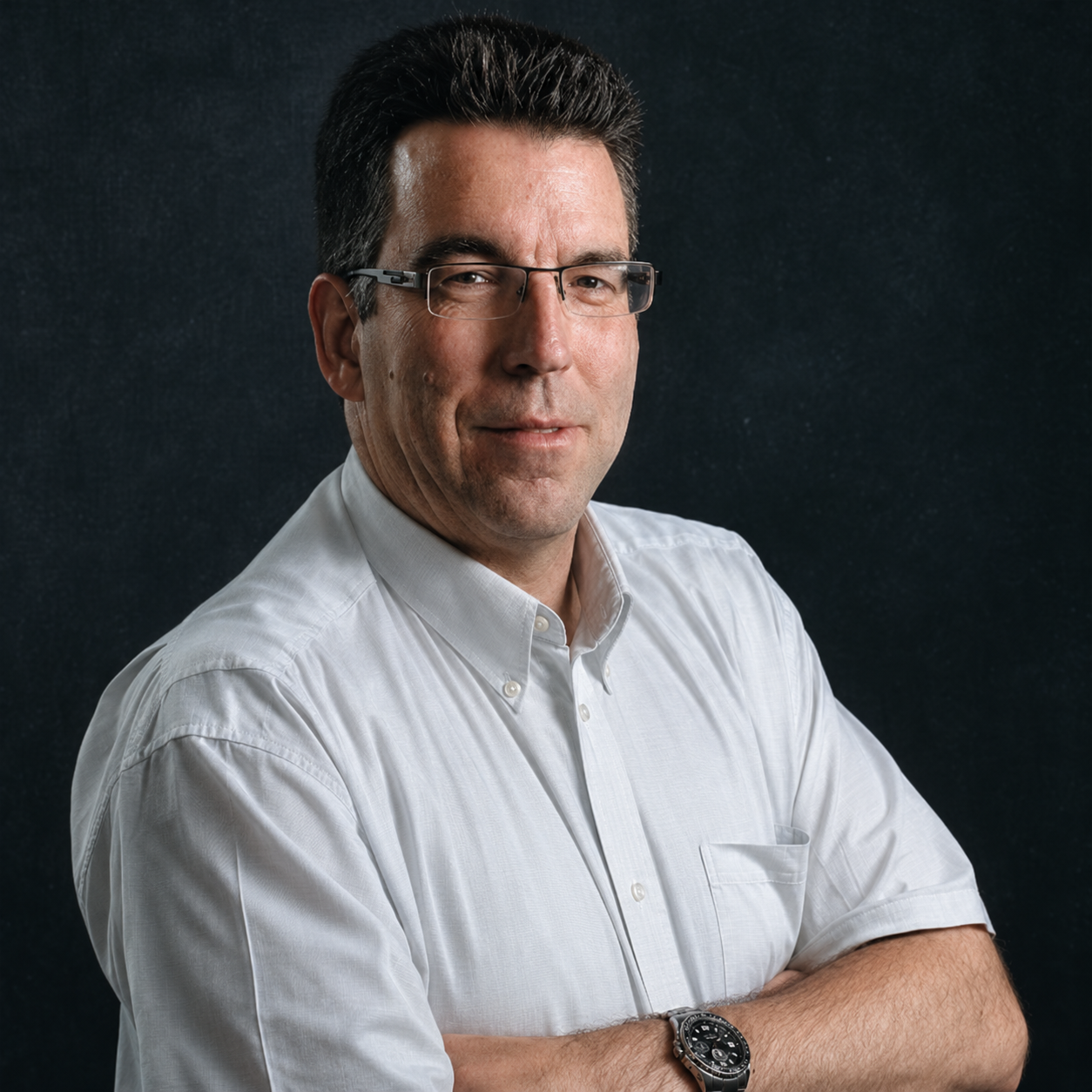
“The wearer doesn’t notice anything about the dissolvable thread.
The difference only shows at end of life.”
Kees Timmermans, Textile Innovater HAVEP
And then you came across CLIMATEX.
Yes, we tested STITCHLOCK™ and found that it holds up well in garment making. Two of our laundry customers put it through industrial laundering, and after 50 industrial washes the seams were still intact. After those 50 washes, I took the trousers home and boiled them into their parts in our pressure cooker. That showed me it works.
The nice thing is: a pressure cooker works just like equipment that is already standard in textile production. Every dye house has vessels that dye fabric under pressure to reach temperatures well above 100 °C. So the process the thread needs already exists in our industry, and the thread itself dissolves in nothing but pure water.
“The process the thread needs, already exists in every dye house.”
Today, STITCHLOCK™ is used in HAVEP’s Revolve 2.0 collection. How did you get from the pressure cooker to a commercial collection?
We did a lot of work before we took that step. We started with workwear, because for now that’s where it fits. Our protective wear has to withstand higher temperatures than the thread currently allows.
Have you had feedback about STITCHLOCK™ from customers on Revolve 2.0 yet?
Not yet – but that’s not surprising. The wearer doesn’t notice anything about the dissolvable thread. The difference only shows at end of life, when we take the garment back and heat it (with water) to 130 °C in a high-pressure vessel. Conditions you don’t achieve in a domestic or industrial laundry.
When will the first garments come back?
A garment can take at minimum 50 washes of wearing and washing. A worker usually has at least three pairs of trousers – one on, one in the closet, one in the laundry. Washed weekly, that adds up to roughly four to five years before the garments come back. And that’s exactly what we want. We don’t make fashion, let alone fast fashion, where the quality is so poor that you need something new every quarter. Durability means garments last a long time.
You’re constantly working on new innovations. What else is on your desk?
My main goal is to develop innovative textile products – and dissolvable thread is one of them. Another important topic is PFAS. We’ve already introduced fluorine-free finishes, but one problem remains: protection against oil- and solvent-based chemicals. PFAS finishes are very good at that, and today’s fluorine-free finishes can’t match them in these highly demanding applications. When we visit fairs such as ITMA or Techtextil, we also visit chemical suppliers and ask them to test our fabrics. So far, nobody – really nobody – has a solution. Every quarter we get a little closer, but we’re not there yet.
But the biggest topic is circularity and the take back we want to build with our VPTextile Infinity Hub within the upcoming years. The question will be, how we take back end-of-life garments and prepare them for recycling? With dissolvable threads, part of that preparation is easy. But you also need to know which fibres and which chemistry were used. In January, we hope to start a project to collect data and find out whether we can build a company that prepares garments for recycling.
At the end of that preparation, you have clippings – small pieces of textile – that go to a mechanical recycler if it’s cotton, or to thermal or chemical recycling if it’s synthetic. And because the STITCHLOCK™ process runs in water, the material comes out clean. That matters: whatever contamination goes into recycling is still there afterwards.
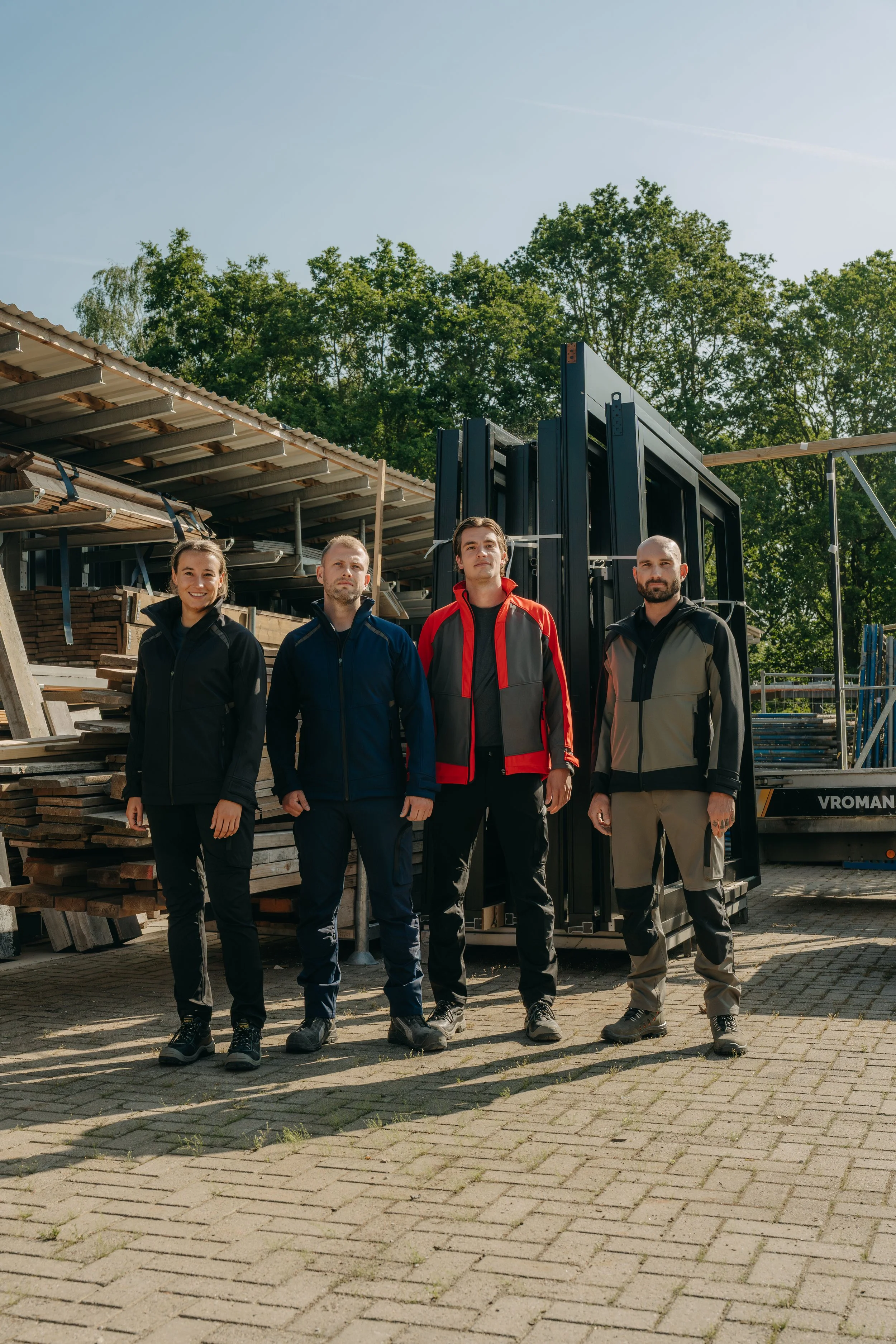
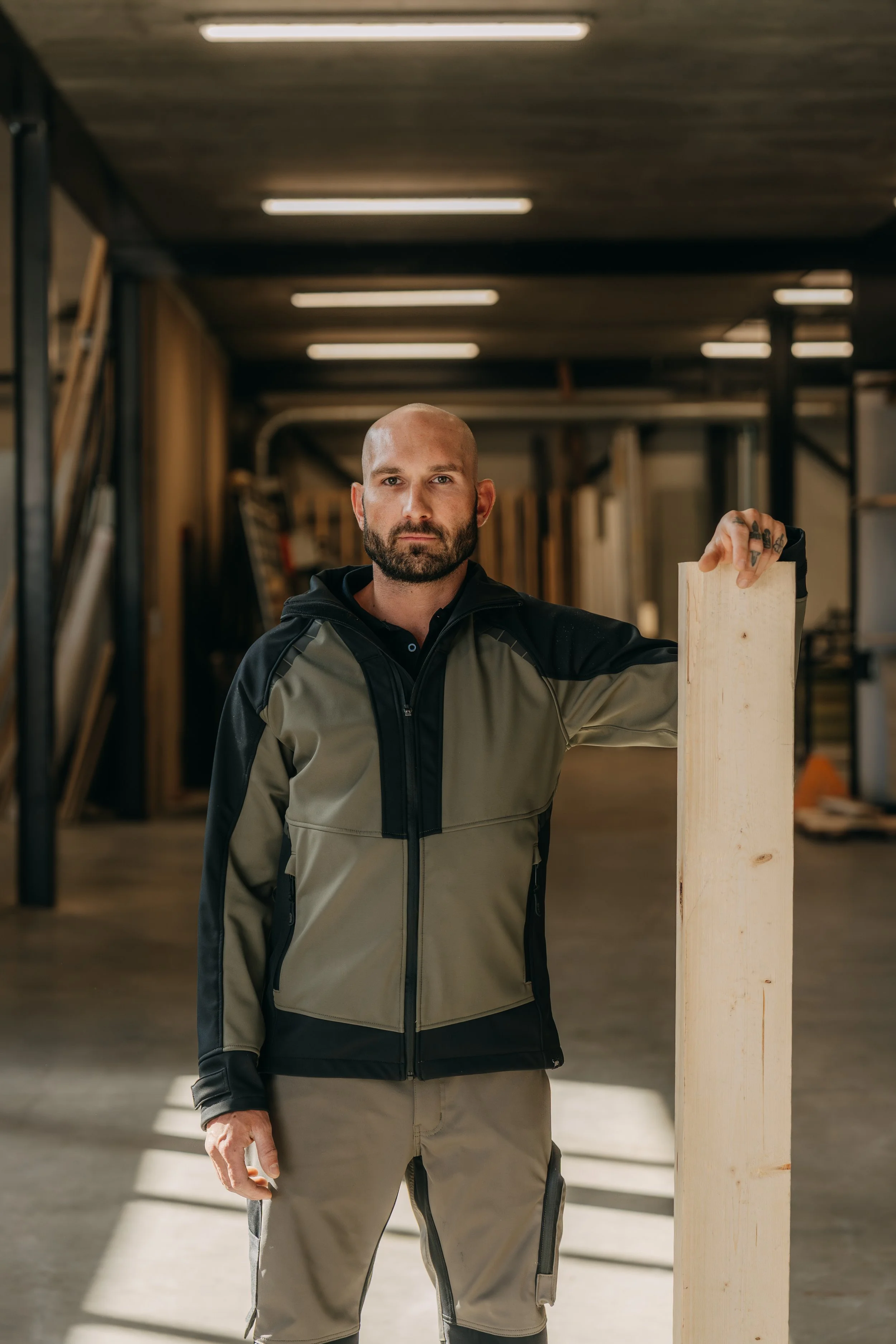
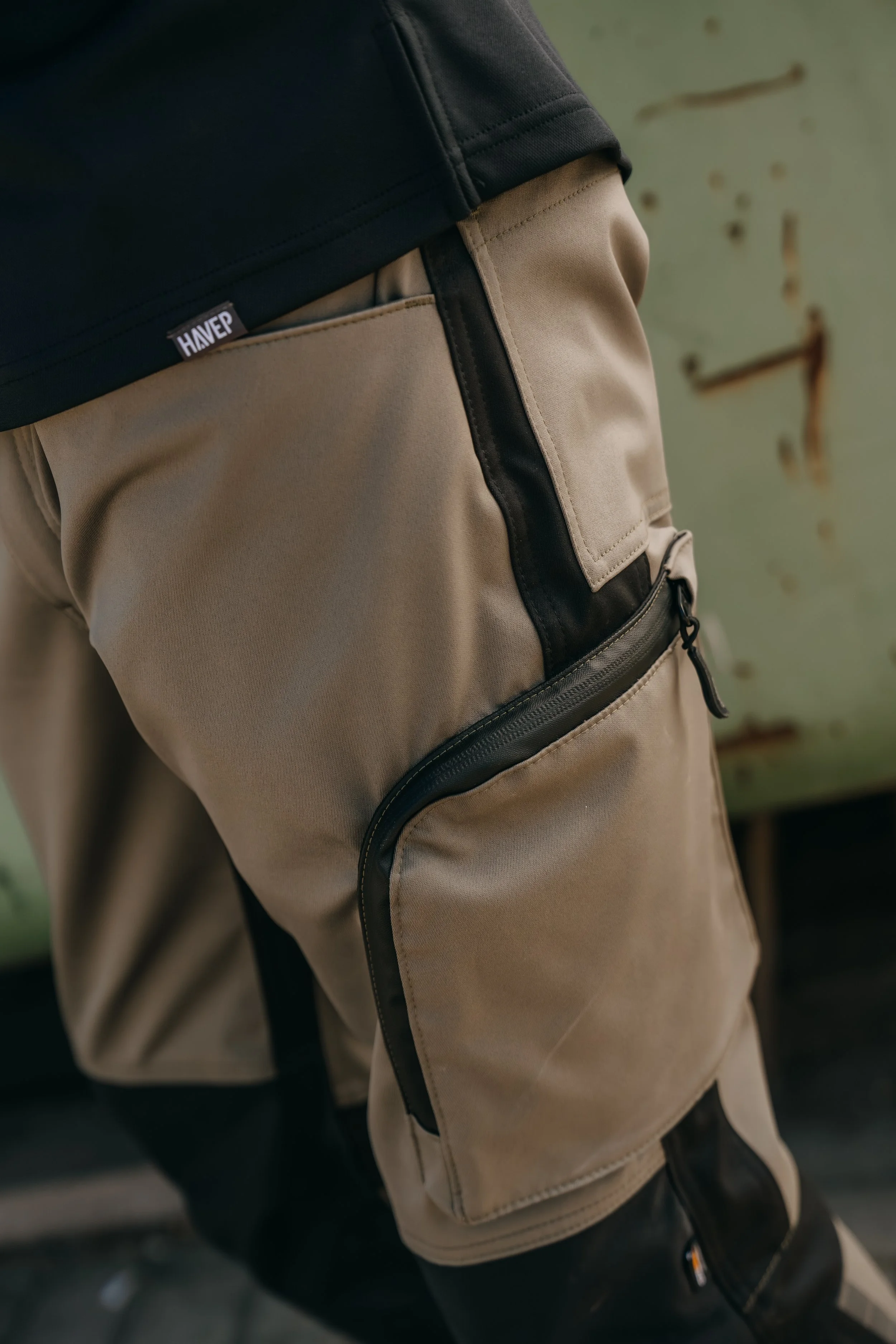
The Revolve 2.0 Collection by HAVEP has integrated STITCHLOCK into selected garments.
You’ve also tested chemical recycling yourselves.
Yes. We took a polyester garment and depolymerised it. Polyester is built from two components, terephthalic acid and monoethylene glycol. We separated and cleaned them, polymerised them again and made a new fabric from it. We then compared it with the same fabric made from virgin polyester. In our test, the quality was equal.
That’s why I believe chemical recycling is the future. In mechanical recycling, the fibres get shorter every time. In thermal recycling, the viscosity of polyester drops, so the product behaves differently afterwards. Chemical recycling takes the material back to its original building blocks, so you start again with the same quality. When you start with good quality, you get good quality back.
What needs to change for textile recycling in Europe to move forward?
We need to learn from outside Europe, because textile recycling is much further ahead elsewhere, especially in Asia. I was in China this year. In Europe, we talk about chemical recycling pilot plants processing maybe one tonne a month. In China, I saw installations processing 70,000 tonnes a year – fully operational and growing. We need to cooperate instead of thinking we can do it on our own.
Where does their feedstock come from?
From within China. If I wanted to send end-of-life garments from Europe there, customs wouldn’t allow it. We need to change those regulations so that we can learn from them. We do have the volumes in Europe – today they’re burnt or buried, which is a pity.
So should Europe recycle these volumes itself?
Partly, yes. Polyester, for example, could be recycled in Europe, and the granulate shipped to where the new yarn is spun. Where it’s economically feasible to bring production back to Europe, we should. But we can’t forget the economics, or the people. If all fabrics were made in Europe, who on earth would make them? We can hardly find people for the little we do today.
“Keeping the knowledge we have is one of the biggest tasks for the near future.”
At the same time, regulation is moving fast – EPR, ESPR, the Digital Product Passport. How do you keep up?
We follow it closely, just as we follow the PFAS restrictions. It’s specifically my job to track these regulations and see what actions we can take. Once everybody has a Digital Product Passport, you’ll know how a garment is made. But will there still be people who understand what all that data means? And that brings me back to the people: many have no idea which processes are involved in textile production. Keeping that knowledge is one of the biggest tasks for the near future. That’s why, at the start of this year, we hired a junior textile innovator straight out of school. Everything I’ve done, I want to pass on to her.